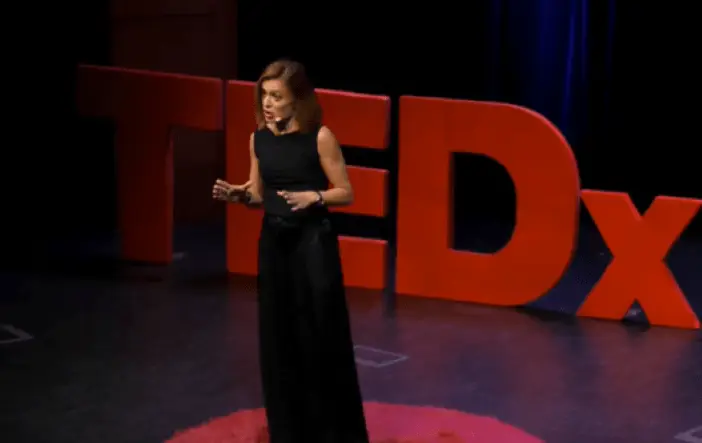
Explore expert insights into energy and environmental economics, regulation, and competition policy. Read more for in-depth analysis and strategic perspectives.
Europe
Spain
Core Intelligence Domain: Economics
Location: Madrid, Spain | Languages: English, Spanish
Representation: Represented globally by PSpeakers Global Intelligence
Natalia Fabra is a globally distinguished economist and leading authority on energy markets, industrial organisation, and the macroeconomic frameworks driving the global transition to a low-carbon economy. As a Professor of Economics at Universidad Carlos III de Madrid and the Founder and Head of EnergyEcoLab, she provides unparalleled strategic foresight into how climate policies, energy pricing, and competition dynamics intersect to shape market stability, regulatory environments, and corporate strategy at the highest levels.
Throughout her career, Professor Fabra has operated at the critical nexus of rigorous academic research and high-level policy advising. Her proprietary frameworks for understanding market power in electricity markets and the optimal design of environmental policies are utilised by leading regulatory bodies across Europe. She serves as a prominent member of the Economic Advisory Group on Competition Policy (EAGCP) for the European Commission, providing strategic counsel on industrial competitiveness, antitrust issues, and market regulation. Previously, she served on the Economic Affairs Advisory Council to the Spanish Government, shaping national economic responses and long-term sustainability frameworks.
Recognised for her groundbreaking empirical and theoretical contributions, Natalia has been awarded two highly prestigious European Research Council (ERC) Grants—both a Consolidator Grant and an Advanced Grant—to analyse the socio-economic impacts of the energy transition. Her work has earned her the Sabadell Herrero Prize for Best Young Spanish Economist, and her research is extensively published in the world’s leading economic journals. As an international thought leader, she continuously informs C-suite executives, institutional investors, and policymakers on the structural shifts required to achieve net-zero targets without compromising economic competitiveness.

Meet the Ecuadorian environmental and human rights defender widely recognised as one of Latin America’s most influential activists. Discover their inspiring story and global impact.

Looking to navigate climate change and business sustainability? Discover expert strategies and insights from a leading Berlin-based specialist to future-proof your organisation.

Meet the sustainability pioneer and social entrepreneur championing biodynamic agriculture. Discover how their innovative work and environmental vision are shaping a greener future.

Discover the remarkable career of a prominent Italian businessman and leading expert in global energy. Explore his innovative strategies and lasting impact on the international energy sector.

Explore the profile of a dedicated Italian politician championing environmental sustainability, social progress, and transparent political reform. Discover their vision for a better future.

Discover how an environmental expert utilises economics to design innovative, sustainable, and eco-friendly business plans that maximise both green impact and commercial growth.
Discover expert insights from an award-winning speaker on building a long-term, sustainable business. Learn proven strategies to achieve lasting growth and success.




 Europe