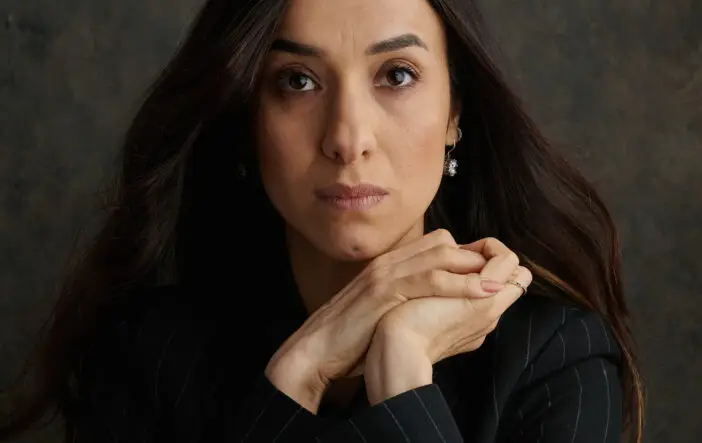
Explore the profound impact of the 2018 Nobel laureate. Discover how their tireless defence of human rights drives vital global awareness to combat extremism and systemic abuse.
North America
Core Intelligence Domain: Human Rights & Social Impact
Location: Washington, D.C. & Global | Languages: English, Arabic, Kurmanji
Representation: Represented globally by PSpeakers Global Intelligence
Nadia Murad is a globally recognised human rights advocate, 2018 Nobel Peace Prize Laureate, and a leading voice in the international fight against genocide and systemic sexual violence. As the Founder and President of Nadia’s Initiative, she pioneers comprehensive, survivor-centric frameworks for post-conflict reconstruction and global justice. Her strategic foresight has instrumentalised international law to hold perpetrators of war crimes accountable, fundamentally shifting how global institutions address crisis response and women’s empowerment in conflict zones.
Appointed as the first United Nations Goodwill Ambassador for the Dignity of Survivors of Human Trafficking, Nadia leverages her unparalleled moral authority to advise global policymakers, NGOs, and multinational bodies. Her work transcends advocacy; she actively develops and deploys actionable programmes to rebuild devastated communities, ensuring that trauma-informed care, economic revitalisation, and educational access are prioritised in global development agendas. By partnering with leading governments and international coalitions, she drives structural reforms that protect vulnerable populations from exploitation.
Through her bestselling memoir, The Last Girl, and her relentless diplomatic engagements across global parliaments and international summits, Nadia has mobilised alliances to formalise the recognition of the Yazidi genocide. Her proprietary approach to advocacy bridges grassroots initiatives with high-level geopolitical strategy, establishing a blueprint for sustainable peace-building that leaders across the public and private sectors can study and implement to foster more ethical, resilient organisational cultures.
'Being a survivor of genocide comes with great responsibility --for I am the lucky one. Having lost my brothers, mother and many more family members and friends it is a responsibility I embrace fully and take very seriously. My role as an activist is not just about my suffering -- it is about a collective suffering. Telling my story and reliving the horrors I encountered is no easy task, but the world must know. The world must feel a moral responsibility to act and if my story can influence world leaders to act then it must be told.'

Discover the inspiring story of this global children’s rights activist and joint 2014 Nobel Prize winner. Explore their extraordinary impact and lifelong mission to empower young people.

Meet TIME’s first ‘Kid of the Year’ and America’s Top Young Scientist. Discover how this Forbes 30 Under 30 honouree, TED speaker, UNICEF Ambassador and STEM influencer is changing the world.

Gain expert insights from Italy’s former Prime Minister, a key voice in European politics. Discover compelling analysis on global economics, EU policy, and the future of democracy.

Discover the inspiring story of the world’s youngest ever Nobel Peace Prize recipient and leading education activist. Explore her remarkable journey and fight for universal education.

Recognised as ‘The World’s Most Powerful Girl’, this leading speaker on social advocacy shares her inspiring story. Discover how she champions positive change worldwide.

Discover the inspiring story of an Olympic swimmer, UNHCR Goodwill Ambassador and heroic champion of refugees. Read about her incredible journey of resilience, courage and global impact.
Discover insights from the former Belgian Prime Minister and EU Chief Brexit Negotiator. Explore his influential role in Brussels and advocacy for stricter data protection laws.

Explore the groundbreaking work of the Nobel Prize winner advocating for income redistribution to the poor. Discover how their economic research aims to tackle global inequality.



 North America
