
Explore the mind of a chess master, renowned strategist, and political activist. Discover how this innovator applies a deep understanding of cybersecurity and digital technology.
North America
Core Intelligence Domain: Strategy & Artificial Intelligence
Location: New York, USA | Languages: English, Russian
Representation: Represented globally by PSpeakers Global Intelligence
Garry Kasparov is a global icon of strategic foresight, the 13th World Chess Champion, and a leading authority on the intersection of human cognition, artificial intelligence, and geopolitical resilience. Widely regarded as the greatest chess player in history, Kasparov has seamlessly transitioned his unparalleled mastery of complex decision-making into the corporate and technological arenas. He equips C-suite executives, boards of directors, and institutional leaders with proprietary frameworks designed to navigate high-stakes environments, anticipate disruptive market forces, and forge powerful synergies between human intuition and machine intelligence.
Having dominated the world of chess for over two decades as the undisputed World Number 1, Kasparov’s legendary 1997 match against IBM’s Deep Blue supercomputer marked a watershed moment in the history of technology. Rather than viewing artificial intelligence as an existential threat, he pioneered the concept of “Centaur Chess” (Advanced Chess), a transformative framework proving that a human strategist augmented by an AI assistant will consistently outperform both a lone human genius and a standalone supercomputer. This visionary paradigm continues to shape modern business strategies regarding automation, data analytics, and digital transformation.
Beyond his technological foresight, Kasparov is a formidable voice in global geopolitics, cybersecurity, and human rights. His current and recent leadership portfolios include:
As a keynote speaker represented globally by PSpeakers Global Intelligence, Kasparov delivers uncompromising insights drawn from the highest levels of global competition and intellectual rigour. His key themes include:

Discover the inspiring story of “The Queen of Katwe”. Read how this Ugandan national chess champion and Candidate Master defied the odds to achieve global success.

Discover elite communication and leadership strategies from a former Navy SEAL officer. Elevate your professional skills with expert insights forged in high-stakes environments.

Explore the inspiring journey of the Cosmic Girls Foundation founder and astronaut trainer. Discover how she empowers the next generation of women to lead in space exploration.

Discover insights from a German cybersecurity specialist and startup entrepreneur. Learn how to navigate the evolving digital security landscape while driving tech innovation.

Gain expert insights from Italy’s former Prime Minister, a key voice in European politics. Discover compelling analysis on global economics, EU policy, and the future of democracy.

Explore the remarkable career of the UK and Europe’s most recognised astronaut. Discover what makes this inspirational role model a true pioneer in modern space exploration.

Gain exclusive insights from a multiple Formula 1 World Champion. As a renowned speaker, he explores the mastery of risk, the psychology of winning, and the high-stakes world of F1.

Discover insights from the former Belgian Prime Minister and EU Chief Brexit Negotiator. Explore his influential role in Brussels and advocacy for stricter data protection laws.
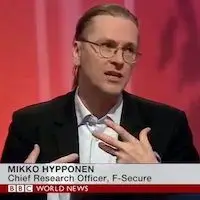
Explore insights from a leading global security expert, speaker, and author. Discover proven strategies to navigate modern threats and protect your organisation. Read the full post to learn more.

Discover the inspiring journey of South Africa’s iconic Rugby World Cup-winning captain. Explore the exceptional leadership and enduring legacy of a true sporting legend.

Meet the visionary climate explorer, psychiatrist, and inspirational speaker who initiated Solar Impulse. Discover his pioneering journey towards a sustainable future.





 North America